Art Deco started after World War I and was and arts style becoming popular from 1930-1940 before it popularity reduced after World War II. The style is known for its rich colours and bold geometric shapes, the movement emerged during the war when there was a rapid industrialization, which was embraced by the movement as it embraced technology.
Tuesday, 18 February 2014
Art Deco
Art Deco started after World War I and was and arts style becoming popular from 1930-1940 before it popularity reduced after World War II. The style is known for its rich colours and bold geometric shapes, the movement emerged during the war when there was a rapid industrialization, which was embraced by the movement as it embraced technology.
Art Nouveau
Art Nouveau began around 1880 the style was born out of the restlessness of the industrial revolution and is known for its use of long, sinuous, and organic lines. The style was most commonly used in architecture, interior design, jewelry, posters and illustration. The style was influenced and fixated on nature, goods that were brought back from the British empire also had an influence on the movement. The movement became popular around 1890-1910, and at its peak illustration prints were been mass produced, and many artist designs used and sold by liberty's.
The Arts and Crafts Movement
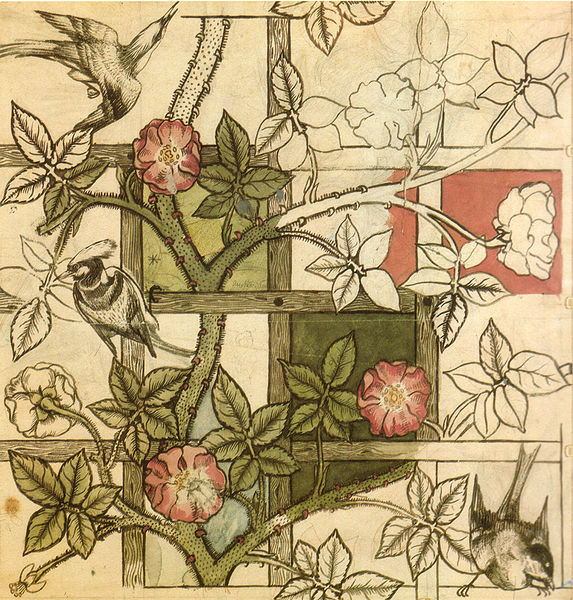
The arts and crafts movement was a design movement that took place in the later half of the 19th century, it was led by the artist and writer William Morris who was inspired by the writings of John Ruskin. The movement grew out of concerns over the effects of the industrial revolution, the movement stood for tradition craftsmanship using simple forms and techniques often using medieval, romantic or folk styles.

Pre-Raphaelites
The Pre-Raphaelites aka the Pre-Raphaelite Brotherhood was founded in 1948 by William Holman Hunt, John Everett Millais, Dante Gabriel Rossetti, William Michael Rossetti, James Collinson, Frederic George Stephens and Thomas Woolner. The group of them intended to reform art by rejecting the mechanistic approach that was adopted by Mannerist artists. They believed that the academic teaching of art had been corrupted by Raphael.
Monday, 17 February 2014
Fluxus
Fluxus is an art movement that took place during the 1960's, the Fluxus manifesto was publish in 1963 by George Maciunas who was one of the founding members of the Fluxus movement. The origin of the movement lie in the concepts of the composer John cage and in his experimental music that he created in the 1950's, the movement was also heavily influenced by the Dada artist Marcel Duchamp.
Land Art
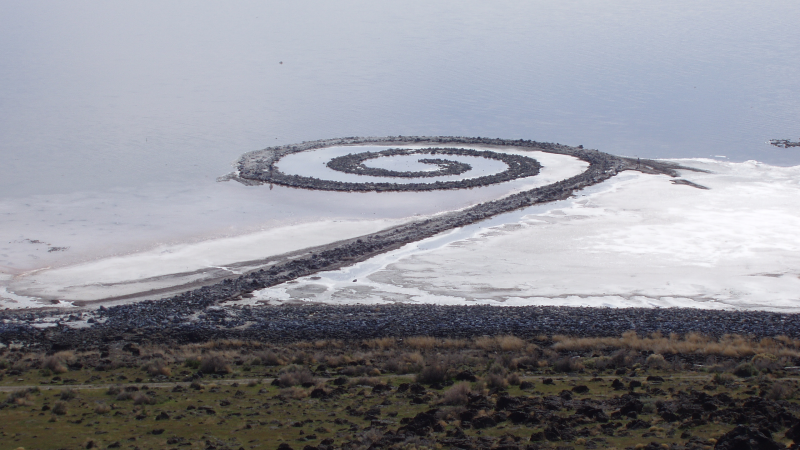
Land art is an art movement where landscapes and the works of art are link. Land art can be created by using natural material or organic media, such as soil, rocks , branches, leaves etc. They are often created away form civilization in large open spaces then left to erode and change under natural conditions.
Conceptual Art
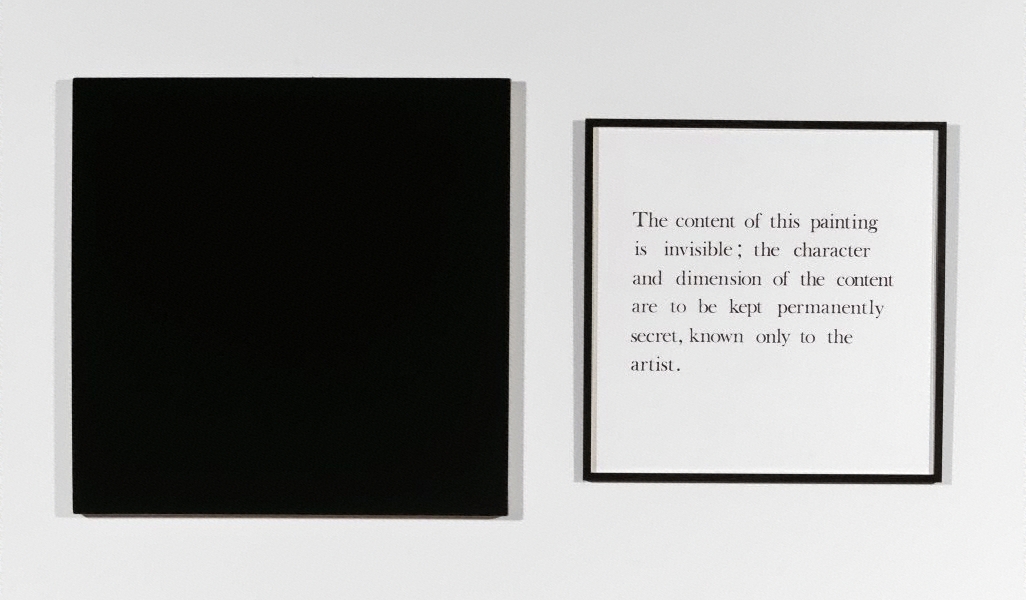
In Conceptual Art the idea and concept behind the work is more important and takes precedence over aesthetics and materials. The move sought to overcome the way arts main principal aim was to produce something beautiful or aesthetically pleasing. As the Conceptual Art is about the idea it doesn't need the artist to create the work it can be created by following a set of instructions.
Subscribe to:
Posts (Atom)