Thursday, 30 April 2015

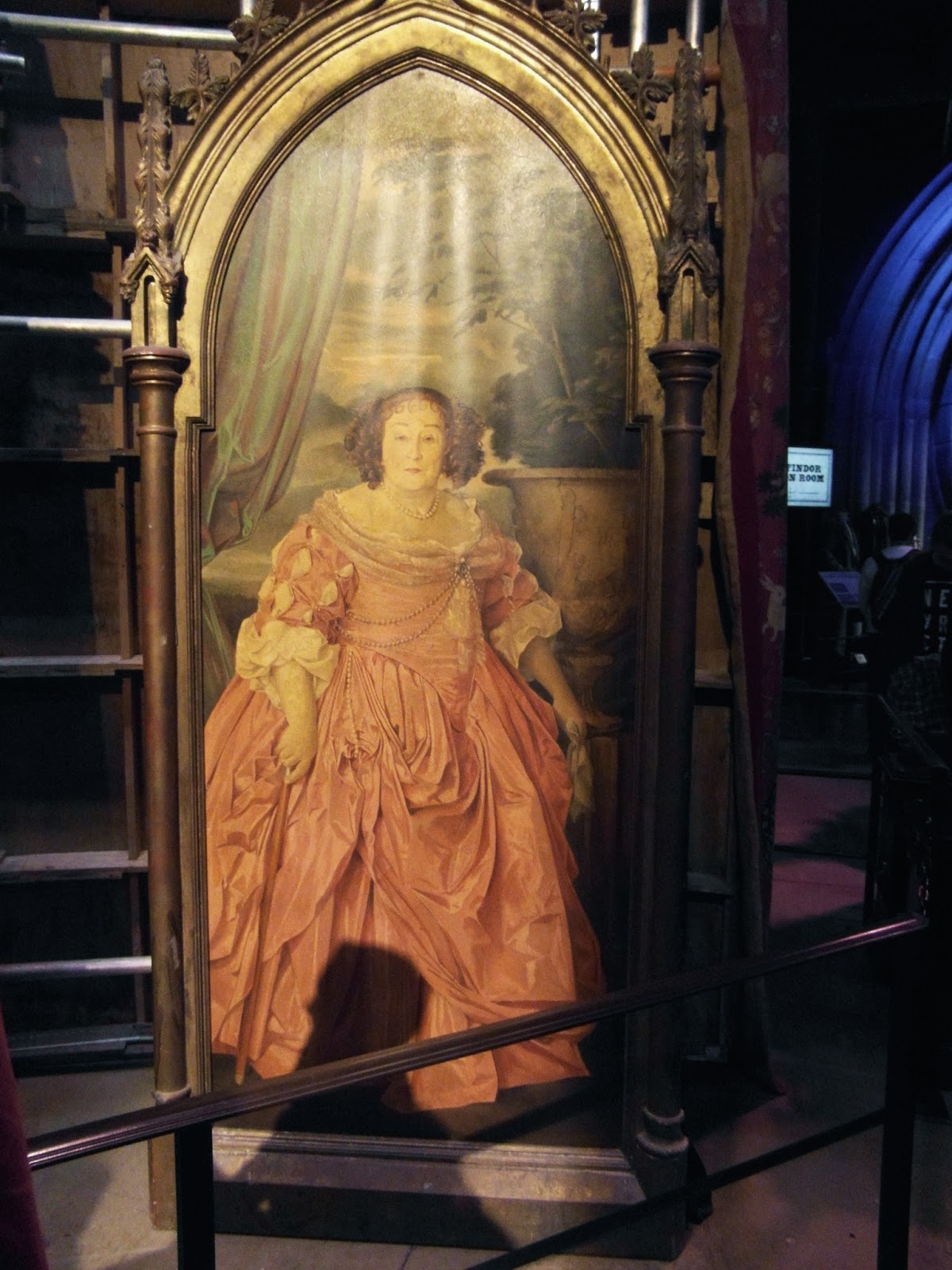
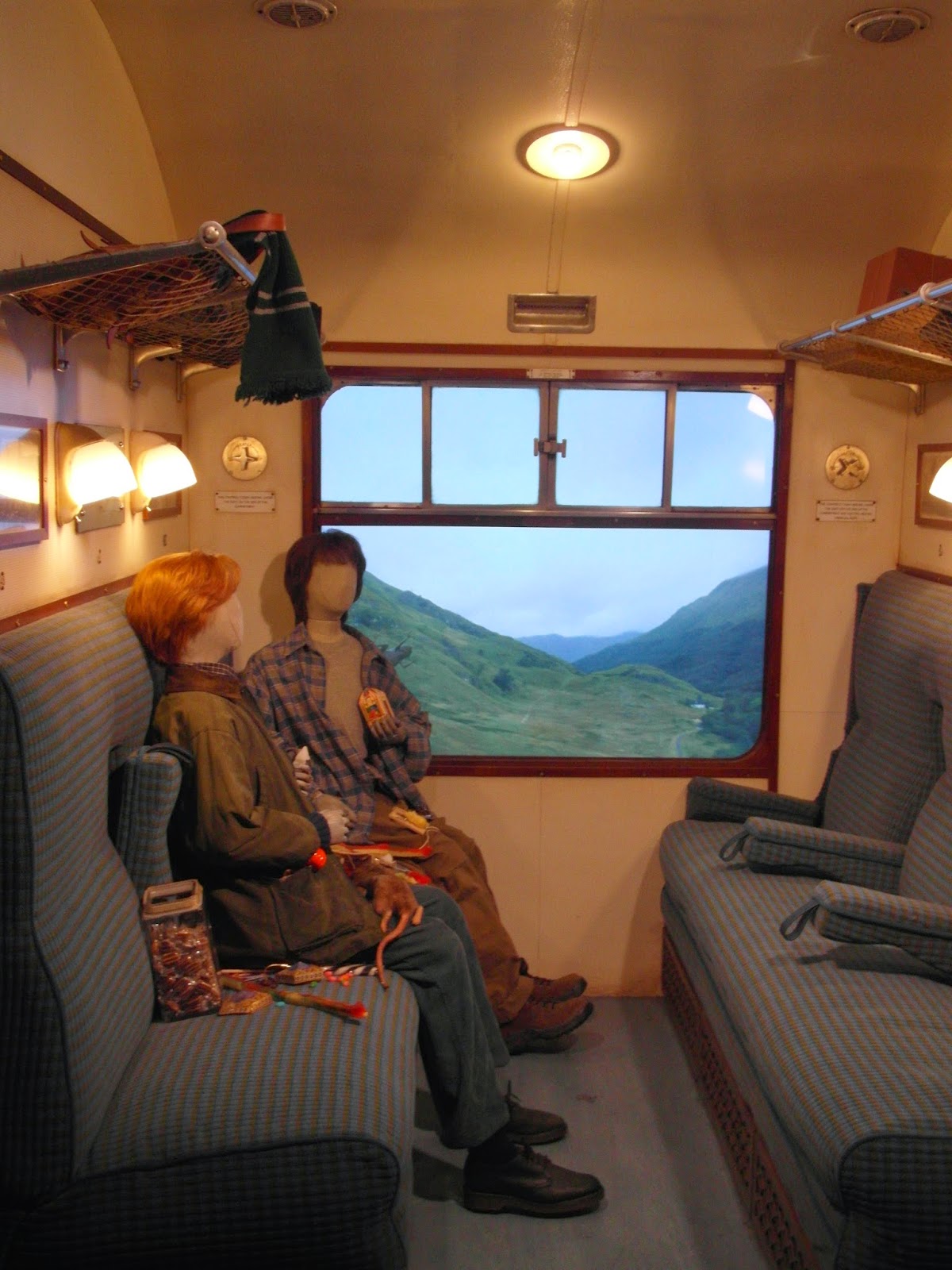
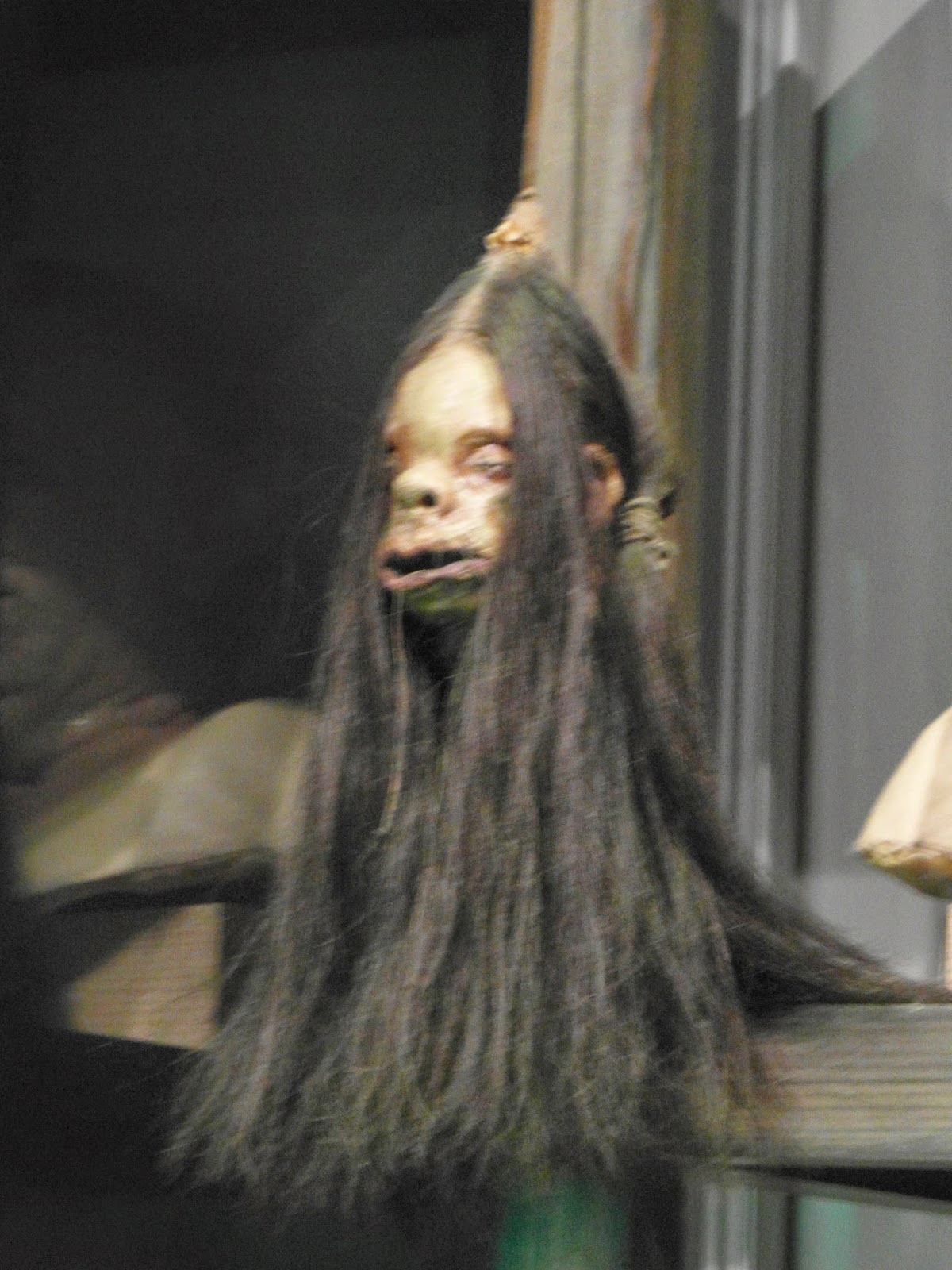
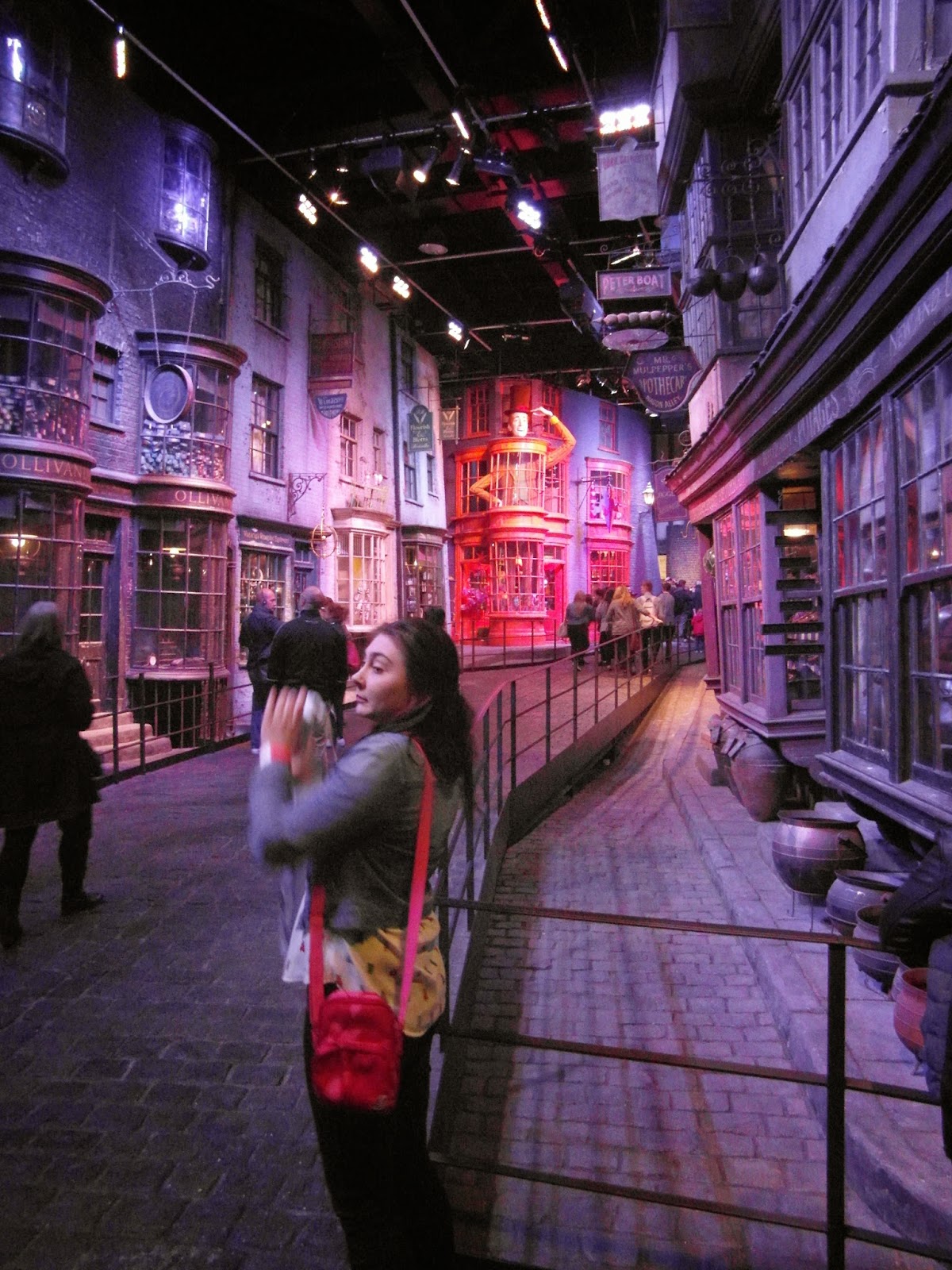
Harry Potter Studio Tour

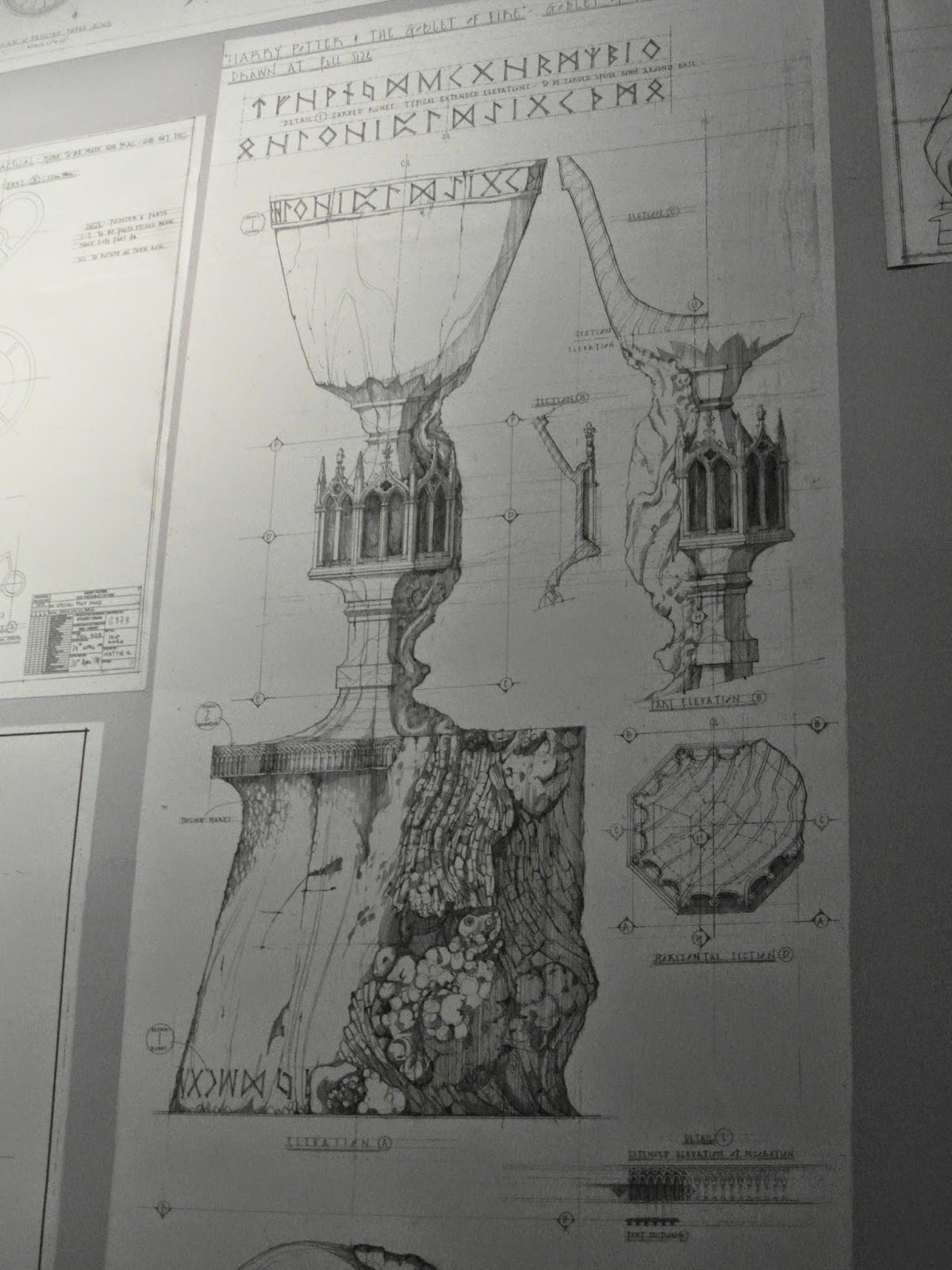
Our visit to the Harry Potter Studios. I found going to the studios very useful as it gave me an onsite in to how much research and work went into every little piece of the film and event the smallest of details is created. 


Bird Wing Mechanisms

I have been looking at bird anatomy and how bird wings work as i am thinking about creating a bird puppet as part of FMP. I decided to started looking at how other peoples mechanics for wings to give me ideas of how i could recreate wings.


looking into how other people had created an wing mechanism was useful as I can now see how simply a wing mechanism can be created with out having to make it to complicated or using expensive materials.


Bird Anatomy

Wings


Skeleton 
All birds have the same basic plan, though different life styles have meant that they have evolved different variations on the central theme. Birds such as swans have more vertebrae in their necks than those like parrots who have very short necks. Swans have 25 vertebrae, parrots have 9. Necks are useful for getting your mouth to places you do not really want to take your whole body, like the bottom of a pond. They are also useful for turning your head, when your eyes are fixed deep in sockets, without having to turn your whole body. Most flightless birds, having no need of the large flight muscles, have therefore, no need of the large keel or sternum that flying birds have. The exception to this rule are penguins who effectively fly through the water with their modified wings and still need large muscles to power them.

Bird's inherited their basic skeleton from their reptilian ancestors. The constraints of flight however have meant that birds have had to modify it in several major ways. Flight means lifting the birds weight, so the first major consideration is reduction in weight. The lighter you are the easier it is to fly. The main ways birds have lost weight is through the loss of teeth and the large jaw bones needed to support teeth, the loss of nearly all the tail and reduction of the skull. Though a bird's major limb bones are hollow with internal struts for support, this makes them stronger not lighter; a bird's leg bones for example are often heavier than those of similar sized mammal or reptile.


http://www.life.illinois.edu/ib/461/External_Anatomy.pdf

Wednesday, 29 April 2015

How Birds Fly

As i am looking at creating a puppet of a bird for my FMP I started looking at the way birds fly.


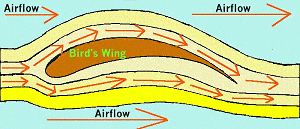
Birds can achieve flight by the shape of there wings, as the way the wings are shapes makes the air move slowly under the creating low pressure and makes the air mover fast over the top of the wing creating high pressure and creating lift.


Monday, 27 April 2015

Crow

 
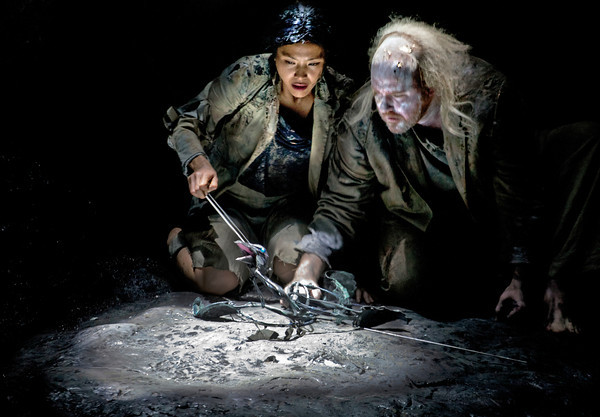
When i was looking around on the internet at puppet i came across a production called "crow" by the Handsping Puppet Company. I really like the way the smaller crow looks as it is very similar in size and looks. Something like this would work well for a prop of the golden bird in the two brothers. Unfortunately i couldn't find an information on the way that the puppets were made for the production so i have no information on the mechanics behind bird.  

Crow was an experimental mixture of puppetry with dance, charting the disconnected fragments of experience from the epic to the intimate contained in Hughes’ poems. The texts revolve around the experiences of a character called Crow who is sometimes a real crow, sometimes nearly a man, and sometimes an essence of life in a world full of death. The whole company worked with dance, puppetry and text to make a unique spectacle.


I want to create a puppet or prop for the bird from the two brothers story I think that the way that they have create the puppet for this production is really useful and has given me ideas for how I could possibly create a puppet if I were going to do a production.